


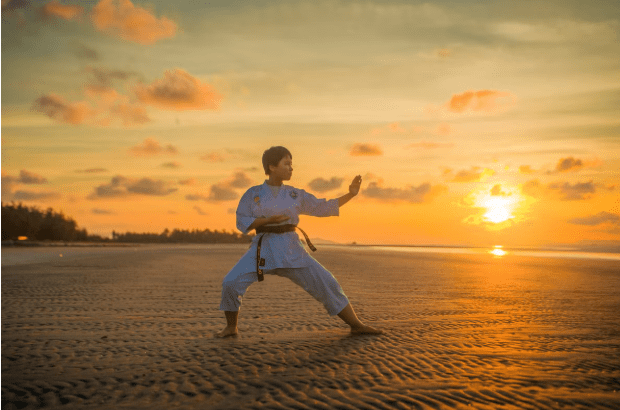
Teaching martial arts to children can be one of the most rewarding decisions a parent makes. Not only does it strengthen their physical abilities, but it also builds discipline, focus, confidence, and emotional resilience. Whether your child dreams of becoming a skilled martial artist or simply wants to stay active, learning at home or through structured classes can set the foundation for lifelong benefits.
Here are five helpful tips for parents looking to introduce martial arts to their kids.
1. Start With the Basics and Build a Strong Foundation
Before introducing advanced techniques, it’s essential to start with basic martial arts movements such as stances, balance exercises, simple blocks, and controlled strikes. Kids learn best through repetition and clear demonstrations. Starting slow allows them to understand the purpose behind each movement while reducing the risk of injury.
Focus on developing coordination, flexibility, and body awareness. Make training sessions short, fun, and consistent so your child enjoys the learning process rather than feeling pressured.
2. Consider Enrolling Them in MMA Lessons for Beginners
If you prefer a structured learning environment, enrolling your child in MMA lessons for beginners can be extremely beneficial. Mixed Martial Arts blends elements of Brazilian jiu-jitsu, kickboxing, Muay Thai, karate, and wrestling, making it a well-rounded discipline for young learners.
Beginner-level classes are specifically designed to introduce kids to martial arts safely, focusing on technique rather than contact. These lessons help children build confidence, discipline, and respect for the art while improving strength and problem-solving skills.
3. Encourage Discipline, Focus, and Respect
Martial arts are built on values such as respect, patience, and self-control. Make sure these principles are part of your child’s training routine at home. Teach them to bow before practice, listen carefully before attempting a move, and keep a positive attitude.
Children who learn martial arts often show improved focus in school and better emotional regulation. Reinforcing discipline doesn’t mean being strict—it’s about helping kids develop responsibility, consistency, and respect for themselves and others. When parents model these behaviours, children naturally follow.
4. Create a Safe and Supportive Training Environment
Safety should always come first when teaching martial arts to kids. Clear a spacious area free of obstacles, use mats if available, and ensure your child warms up before each session. If teaching at home, emphasise controlled movements rather than force or speed.
Encourage your child to speak up if anything feels uncomfortable. A supportive environment helps children gain confidence and prevents them from developing fear or self-doubt. Celebrate progress—big or small—to keep them motivated throughout their journey.
5. Make Learning Fun Through Games and Interactive Drills
Kids thrive when training feels like play, so mix structured lessons with fun activities. You can include balance games, obstacle courses, reaction-time drills, partner exercises, or light stretching challenges.
Making martial arts enjoyable encourages children to stay engaged and builds a positive association with physical activity. When learning is fun, children are more likely to stay consistent and develop a long-term passion for the sport.
Conclusion
Teaching martial arts to your kids helps them grow physically, mentally, and emotionally. Whether you train at home or choose MMA lessons, the key is to make the experience safe, fun, and value-driven. With the right guidance, your child can gain confidence, discipline, and skills that last a lifetime.